Para Professional Embroidery Design for Real Projects
As a designer and embroidery product reviewer with years of experience, I always look for machine embroidery designs that not only catch the eye but also perform reliably in real-world applications. Recently, I had the chance to test Para Professional, Paraprofessional Teac, an embroidery file that promises versatility for both personal and commercial projects. Here’s how it held up when I put it through its paces.
First Impressions: A Classic Yet Contemporary Vibe
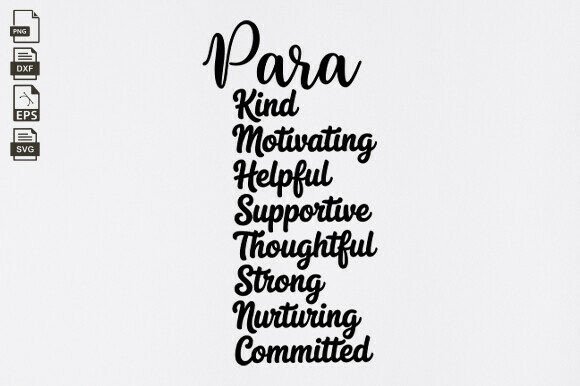
The first thing that stands out about Para Professional, Paraprofessional Teac is its clean, modern layout. The teacup motif is stylized yet retains enough detail to feel unique and expressive. It has a professional appearance without being overly formal, making it ideal for casual apparel and soft home goods alike. The design feels like it belongs on tote bags, sweatshirts, or even nursery decor — items where subtle charm can make a big impact.
Visually, it creates a warm and approachable mood, perfect for educators, childcare workers, or anyone who values support roles in learning environments. As someone who often works with educational-themed graphics for craft businesses, this design immediately suggested itself as a strong candidate for branding and personalized gifts.
Theme and Layout: Practical Meets Personality
The layout is balanced and well-proportioned, which is essential for ensuring the design translates well across different fabric types and garment shapes. The lines are smooth, and there's no unnecessary complexity that could lead to stitch issues. The level of detail is just right — enough to add visual interest, but not so intricate that it becomes difficult to execute consistently.
What I appreciate most is how the design feels versatile in terms of placement. It works well centered on a tote bag or off to one side on a sweatshirt sleeve. This kind of flexibility is a huge plus for any embroidery file, especially if you're planning multiple product variations from a single graphic.
Real-World Performance: How Para Professional Stands Up
I tested Para Professional, Paraprofessional Teac on several common embroidery project bases, including cotton blends, linen, and stretchy knits. The design performed admirably on stable fabrics, maintaining its shape and clarity. On a 100% cotton tote bag, the satin stitches around the cup were crisp, and the fill stitch inside was even and secure.
When I tried it on a baby onesie made of stretchy interlock, I noticed that the design needed a bit more stabilizer underneath to keep the delicate parts from distorting during stitching. But once stabilized, the results were charming and appropriate for a personalized gift or small shop product.
On a custom apron for a boutique owner, the design added a subtle yet meaningful touch. The customer loved how it looked next to hand-stitched flourishes and other embroidered elements. It didn’t overpower the piece but instead complemented the overall handmade aesthetic.
For holiday gifts, such as embroidered tea towels or pillow covers, the design brought a cozy, thoughtful feel. Its recognizable shape and gentle curves worked well in both monochrome and color versions, depending on the season or recipient preference.
Where to Use With Care
While Para Professional, Paraprofessional Teac is a solid choice for many projects, there are some areas where caution is advised:
- Small hoop sizes: If your design requires tight space constraints, this might be a challenge. The details need room to breathe, so smaller hoops could result in lost clarity.
- Textured or thin fabrics: These can affect stitch definition. For best results, stick to medium-weight woven or quilted materials.
- Stretchy garments: Without proper stabilizing techniques, the design may distort slightly, especially in high-motion areas.
- Dark backgrounds: Thread colors might appear muted. Consider using white or light-colored thread to enhance visibility.
- Curved surfaces: When placing it on caps or curved patches, double-check alignment and adjust the design accordingly to maintain symmetry.
- Frequent washing: Designs with dense fill areas can sometimes pill over time. If used on frequently washed items, consider reinforcing with backing fabric or using washable stabilizers.
Design Impact: From Visual Appeal to Branding Power
One of the key strengths of this digital embroidery file is its ability to elevate the perceived value of a finished product. Whether you’re creating a personalized gift or selling handmade products on Etsy, the teacup motif adds a sense of thoughtfulness and quality. Customers tend to respond well to designs that are both functional and expressive, and this one hits the sweet spot.
From a brand consistency perspective, the design is scalable and adaptable. You can use it as a standalone element or integrate it into a larger set of design assets for your craft business. Its neutral tone and classic theme allow it to blend well with various color palettes and styles, making it a great fit for boutique branding or small shop merchandise.
In terms of buyer engagement, the design doesn't shout, but it does speak volumes. People recognize the imagery instantly, which helps in storytelling and product presentation. For an Etsy seller, this kind of instant recognition can improve click-through rates and increase sales.
Stitch Clarity and Detail Inspection
Looking closer at the stitch paths, the design uses a combination of satin and running stitches to outline the teacup and handle. The fill stitch is consistent and doesn’t have excessive density that would cause puckering or stiffness. However, if you plan to scale the design significantly (either enlarging or shrinking), it’s important to inspect the small details, like the spout and base, to ensure they remain intact and legible.
I recommend testing the design on scrap fabric before finalizing your project. Try different thread colors and check how the design looks on both light and dark backgrounds. A black-and-white mockup can help determine whether the contrast is sufficient for your intended use.
Practical Tips for Embroidery Designers and Craft Business Owners
Here are a few notes based on my hands-on experience with Para Professional, Paraprofessional Teac:
- Confirm hoop size: Always check what hoop size is recommended for the design. If the listing doesn’t specify, start with a mid-sized hoop and adjust from there.
- Use proper stabilizer: Especially on stretchy or thin materials, stabilizer plays a critical role in preserving the integrity of the design.
- Review stitch density: Dense fill areas can affect the drape of the fabric. Adjust as needed for comfort and aesthetics.
- Test thread colors: The default thread colors provided might not suit every fabric or client preference. Be ready to customize.
- Check licensing: Before selling any finished product or offering this as a digital embroidery file for resale, verify the license terms. Many digital files require attribution or restrict commercial use unless explicitly stated.
If you're working with printable mockups for marketing or previews, this design holds up well in those contexts too. It maintains its visual personality in both digital and stitched forms, which is essential for showing potential buyers exactly what they'll get.
Final Thoughts on Project Suitability
Overall, Para Professional, Paraprofessional Teac is a reliable and attractive addition to your embroidery project toolkit. It shines particularly well on tote bag designs, sweatshirt embroidery, and custom apparel for education-focused gifts or small shop branding. Its understated style makes it a good fit for handmade products that aim to feel personal yet professional.
That said, it's not a one-size-fits-all solution. For commercial embroidery ventures or high-volume production, be sure to review all technical specifications and test thoroughly. If you're targeting customers who appreciate subtlety and craftsmanship, this design will serve you well.
As a designer who regularly evaluates embroidery files for practical use, I’m confident that Para Professional, Paraprofessional Teac will deliver satisfying results — as long as you take the time to understand its limitations and apply it smartly to your chosen project. Whether you're a hobbyist, an Etsy seller, or a creative entrepreneur in the crafts and graphics niche, this is a design worth considering for your next line of handmade products or personalized gifts.